

A significant shift is currently taking place in the Latvian construction and renovation market. Decisions are increasingly being driven not only by initial investment costs, but by the overall economic performance of a building throughout its lifecycle. In this context, the façade has become one of the key elements determining both energy efficiency and long-term operational costs.
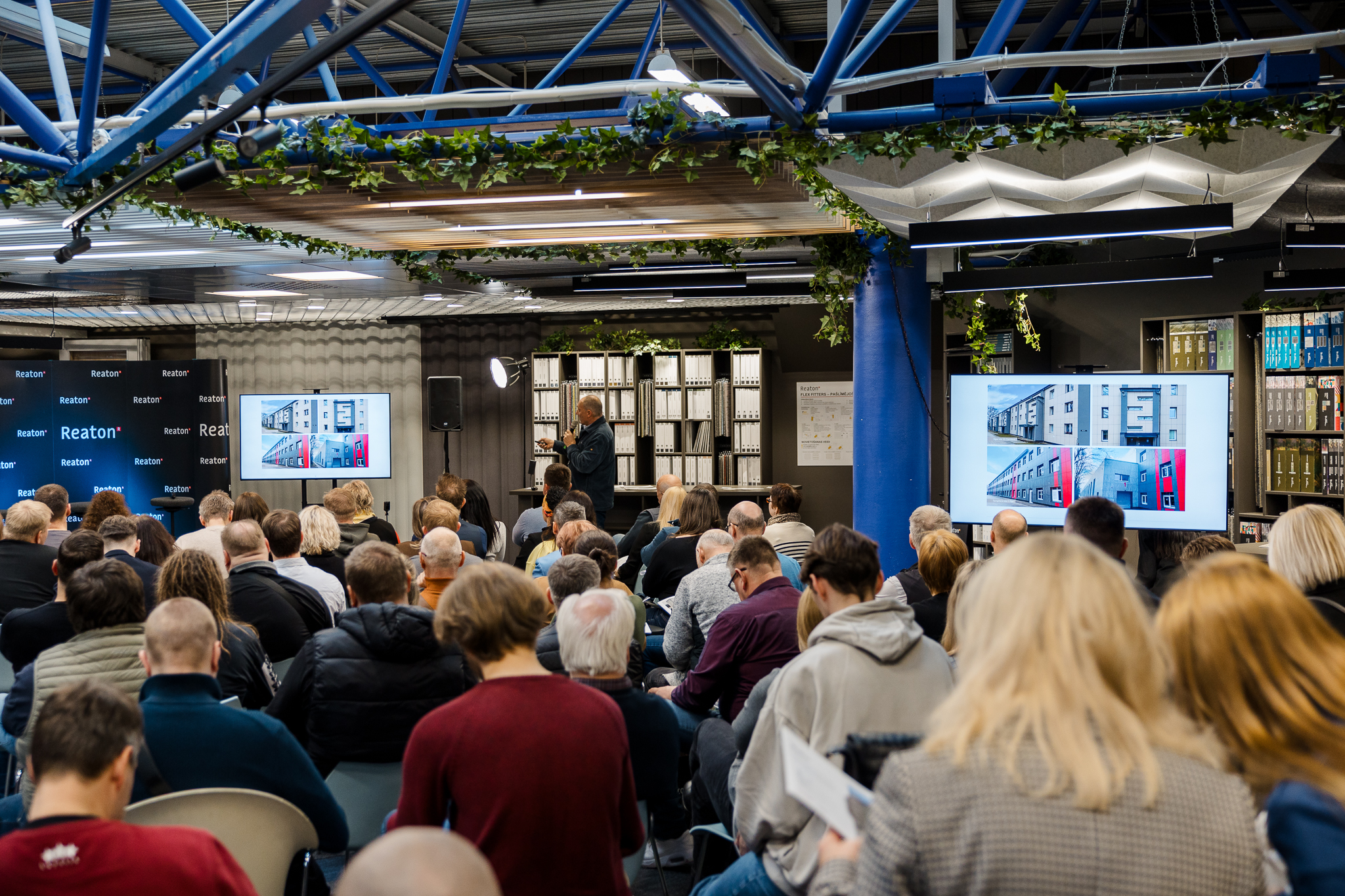
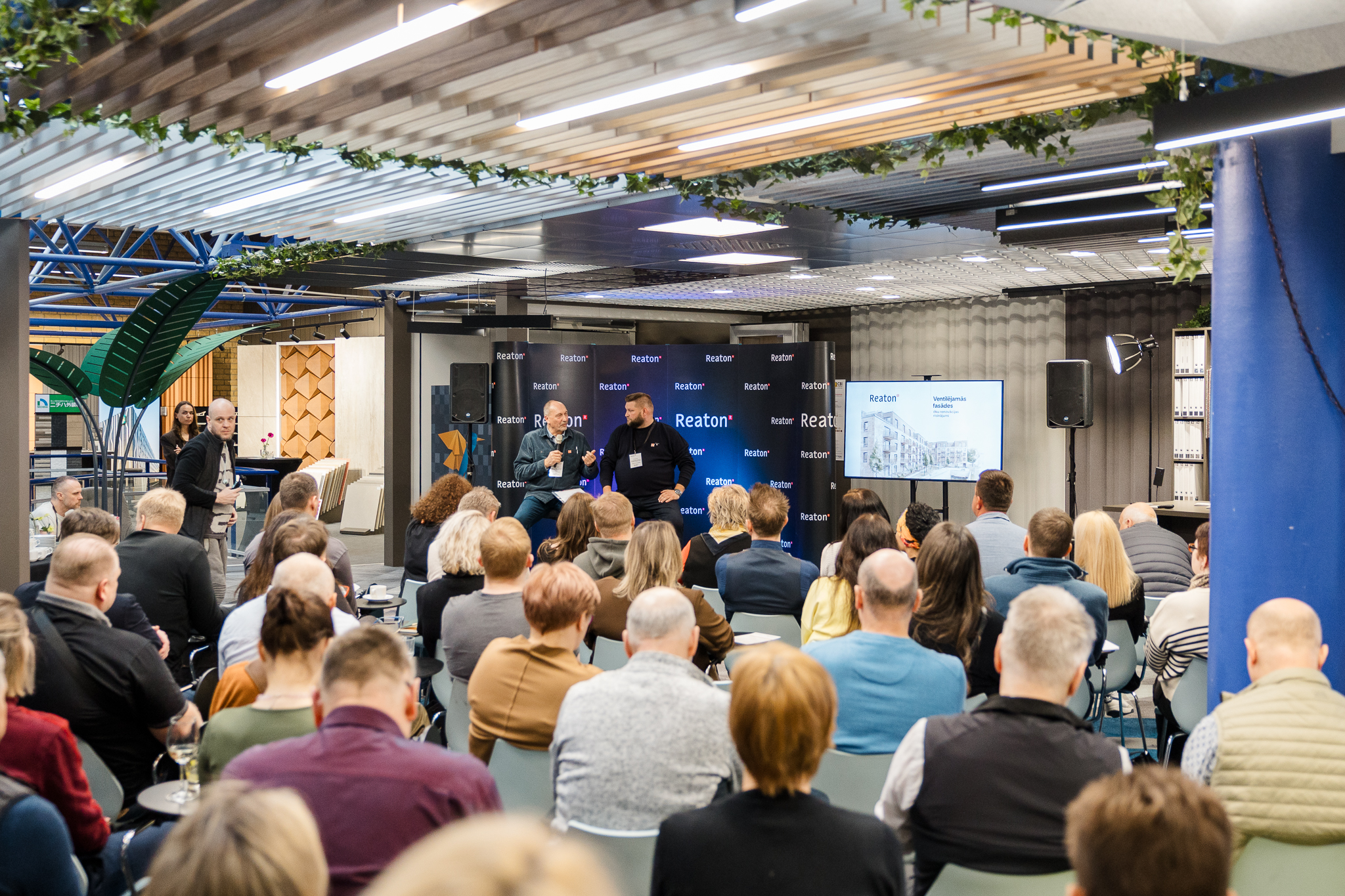
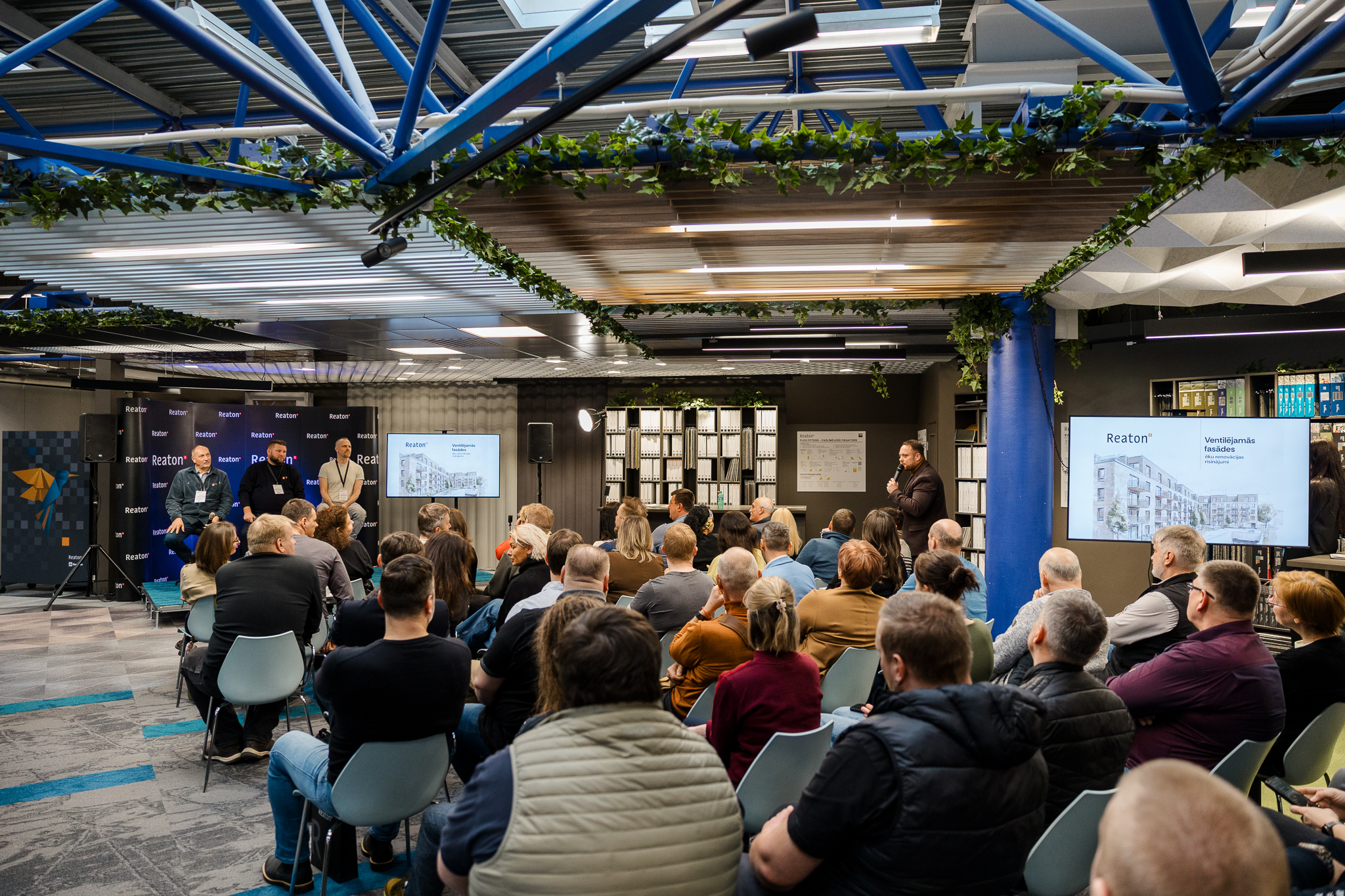
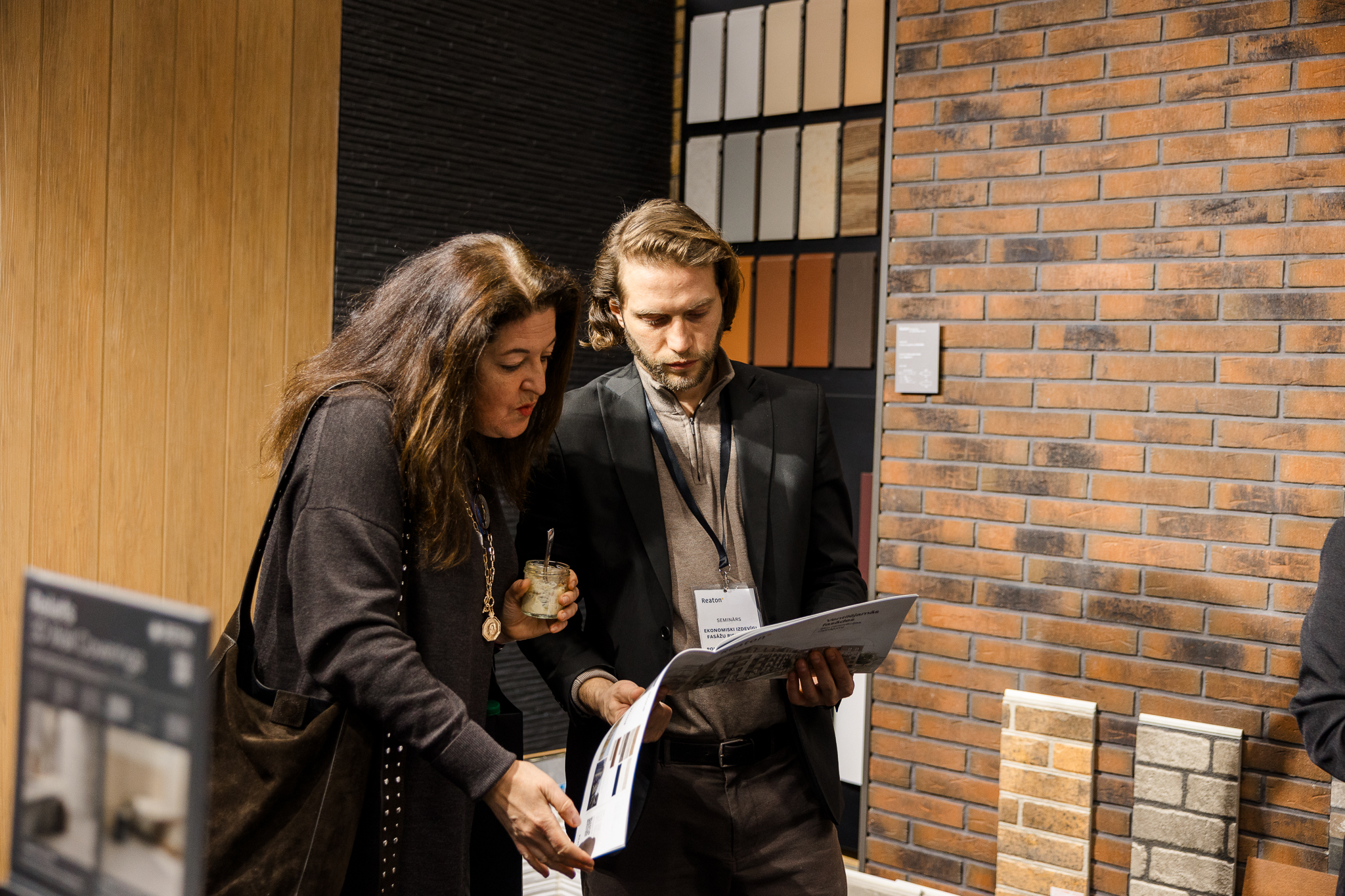
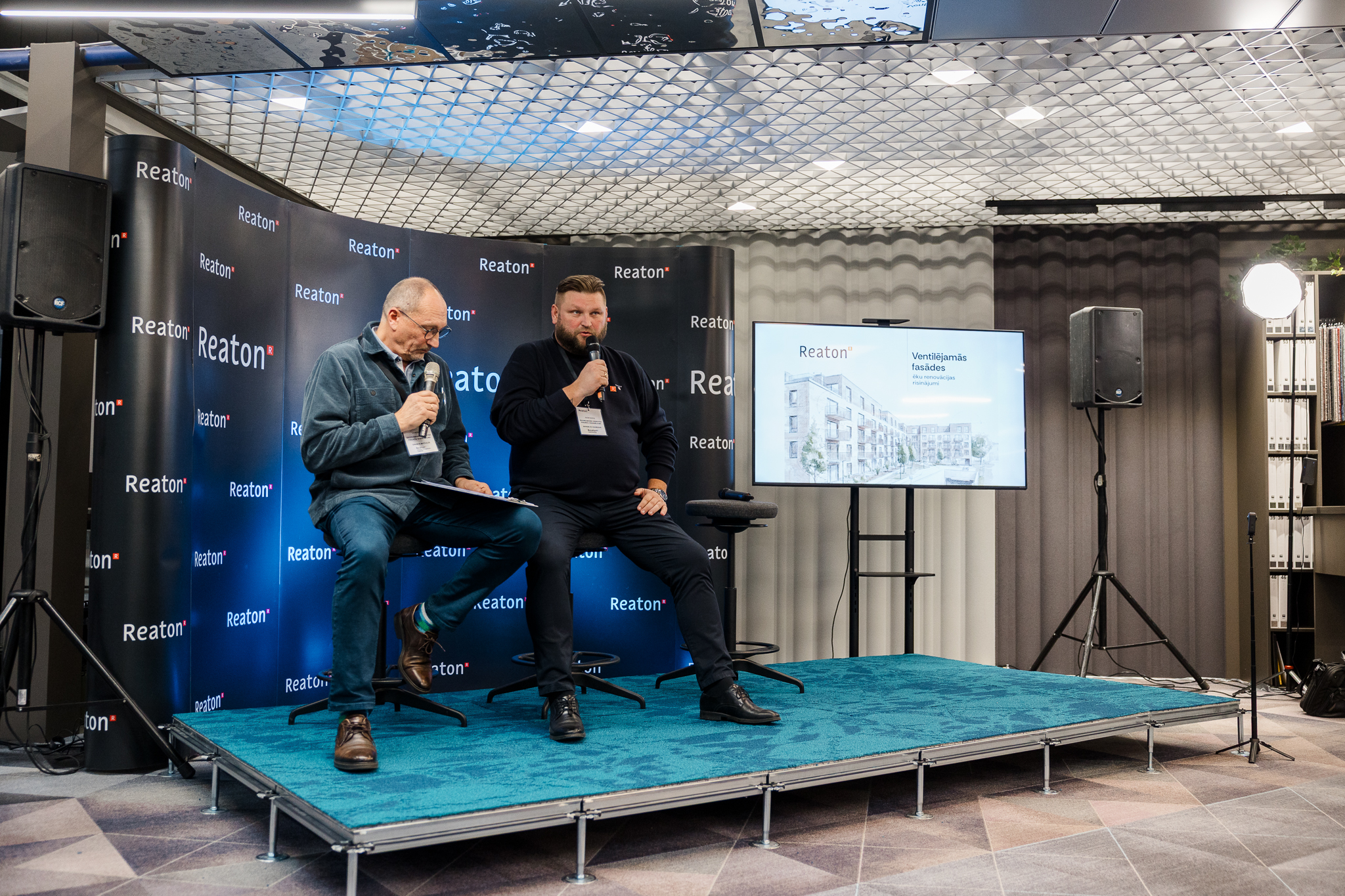
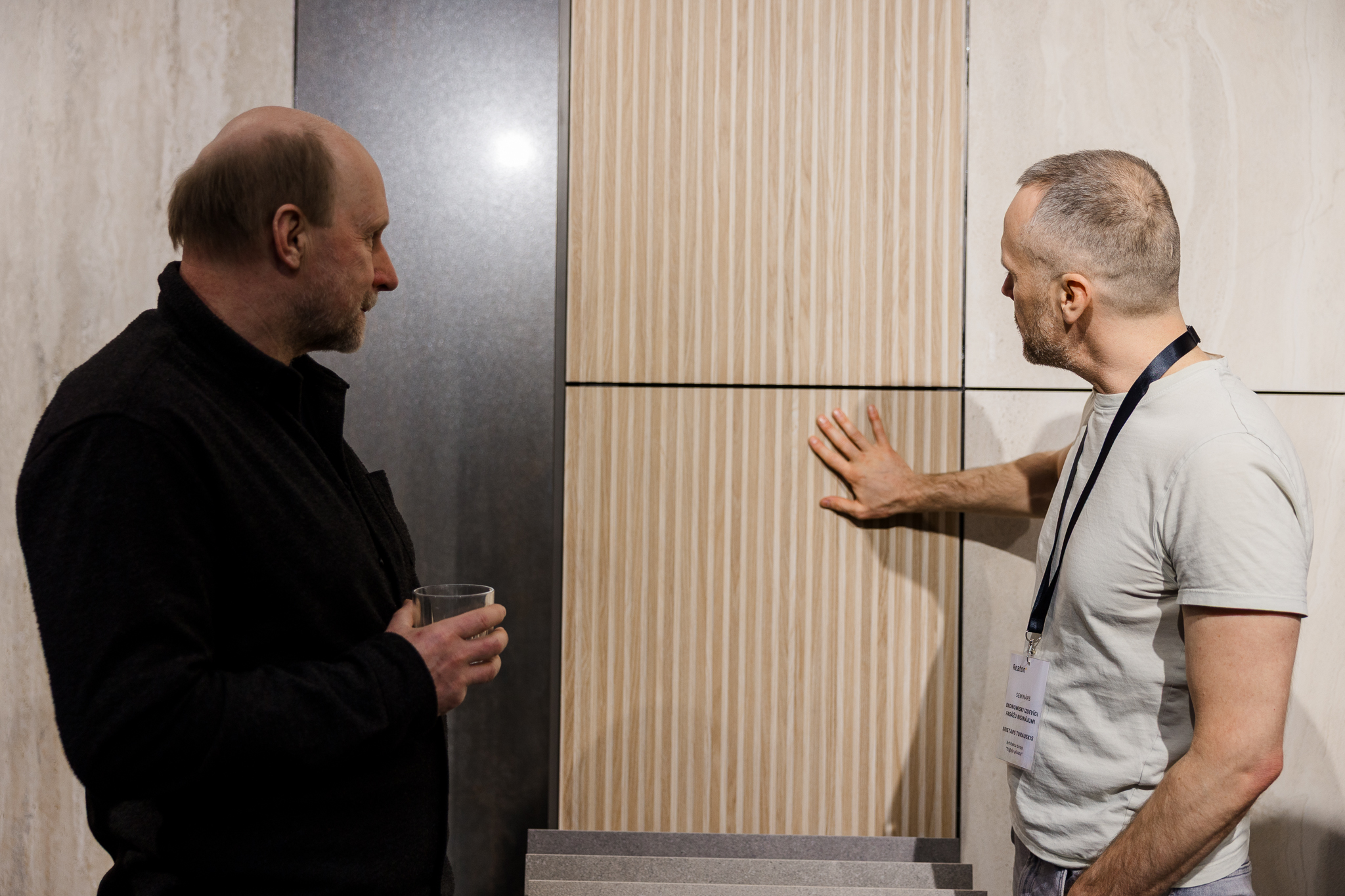
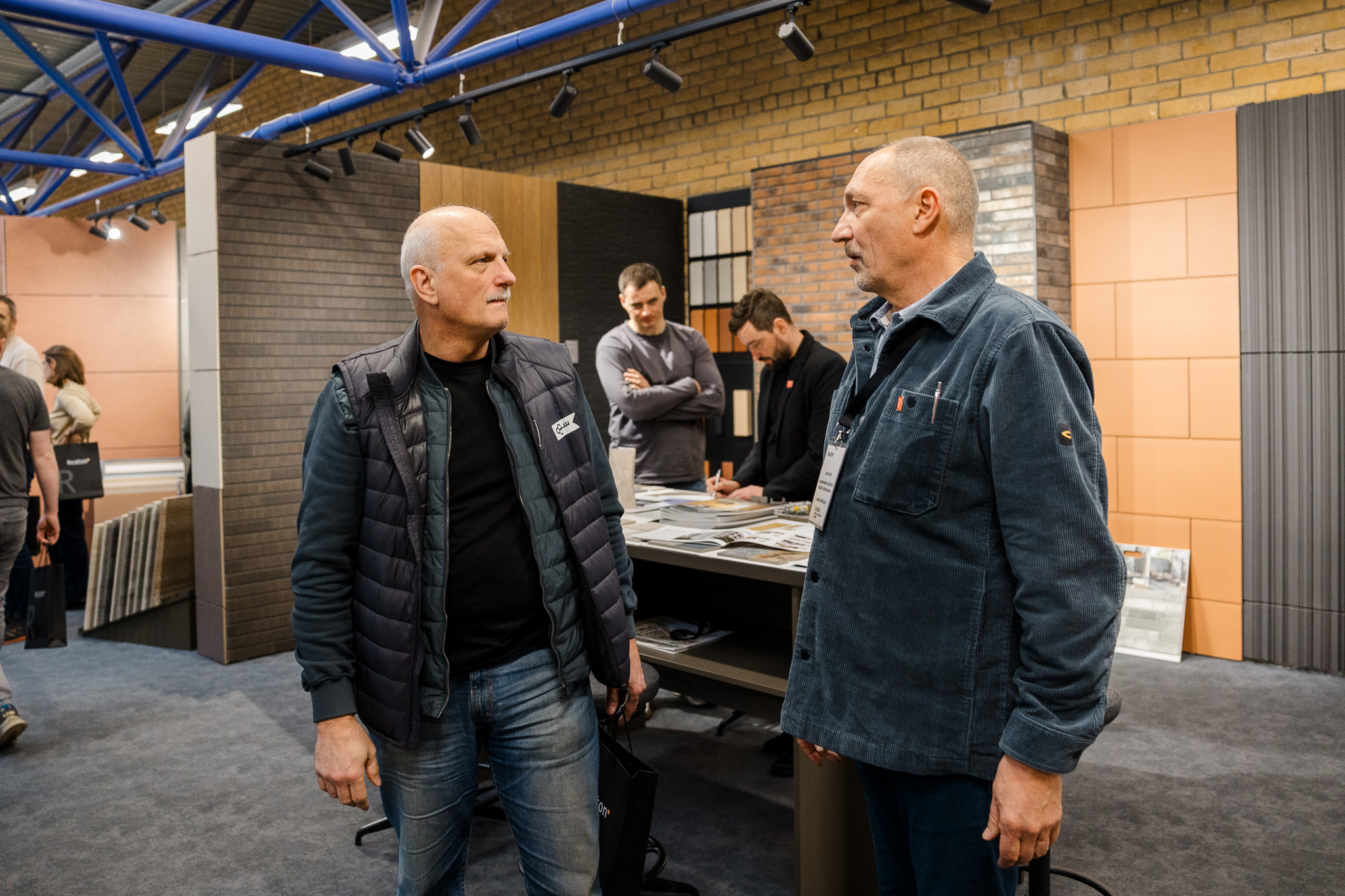
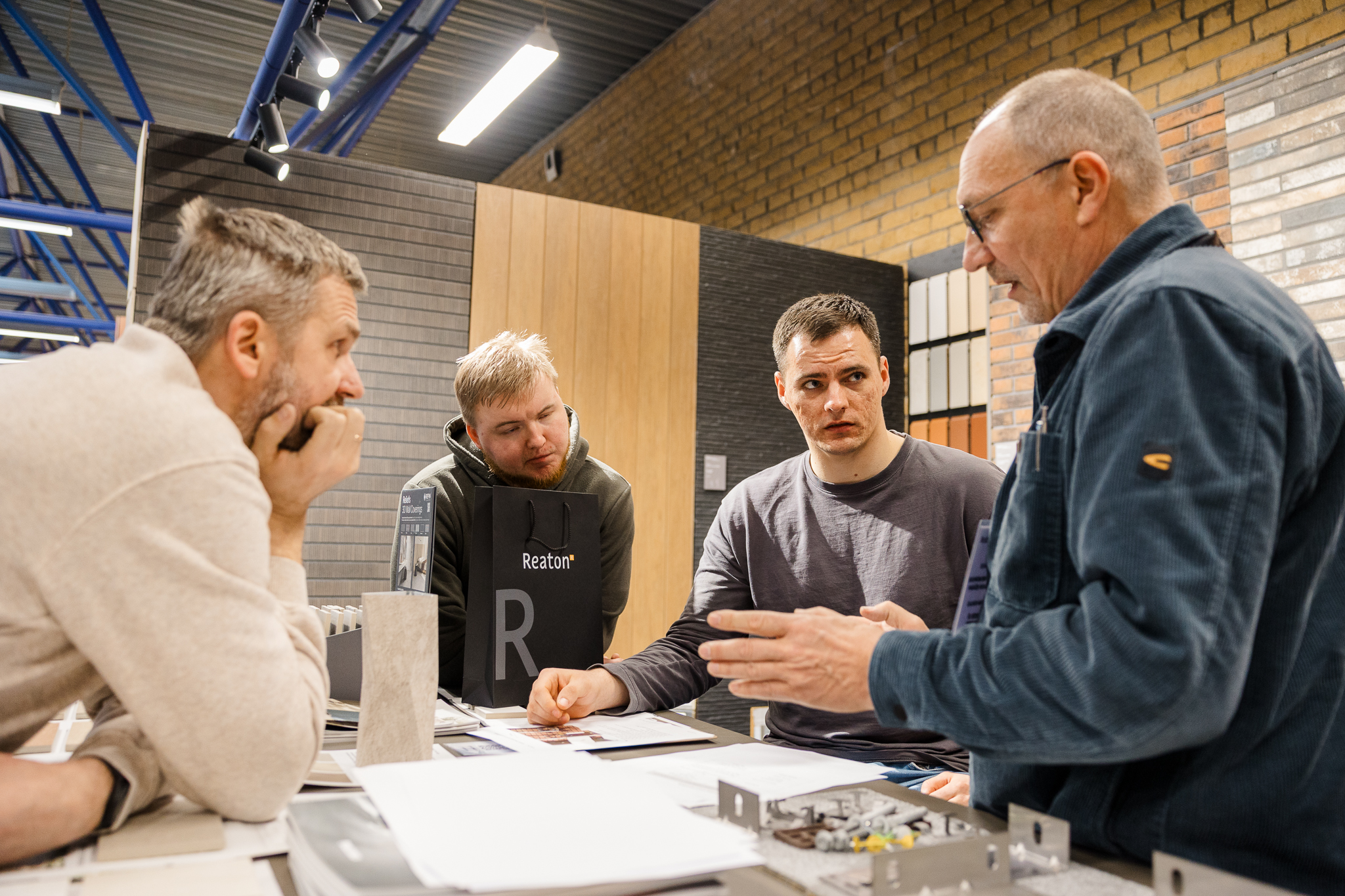
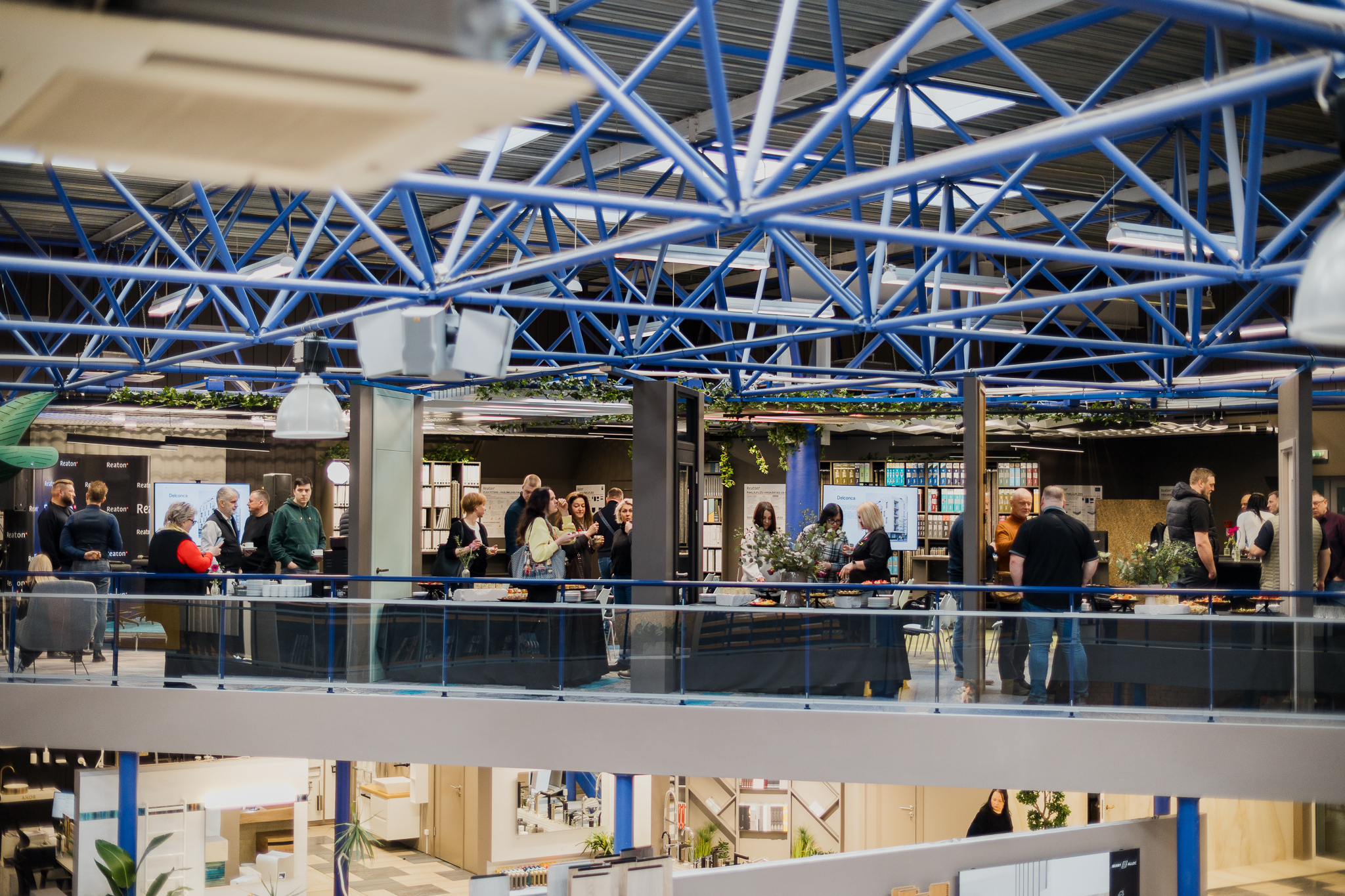
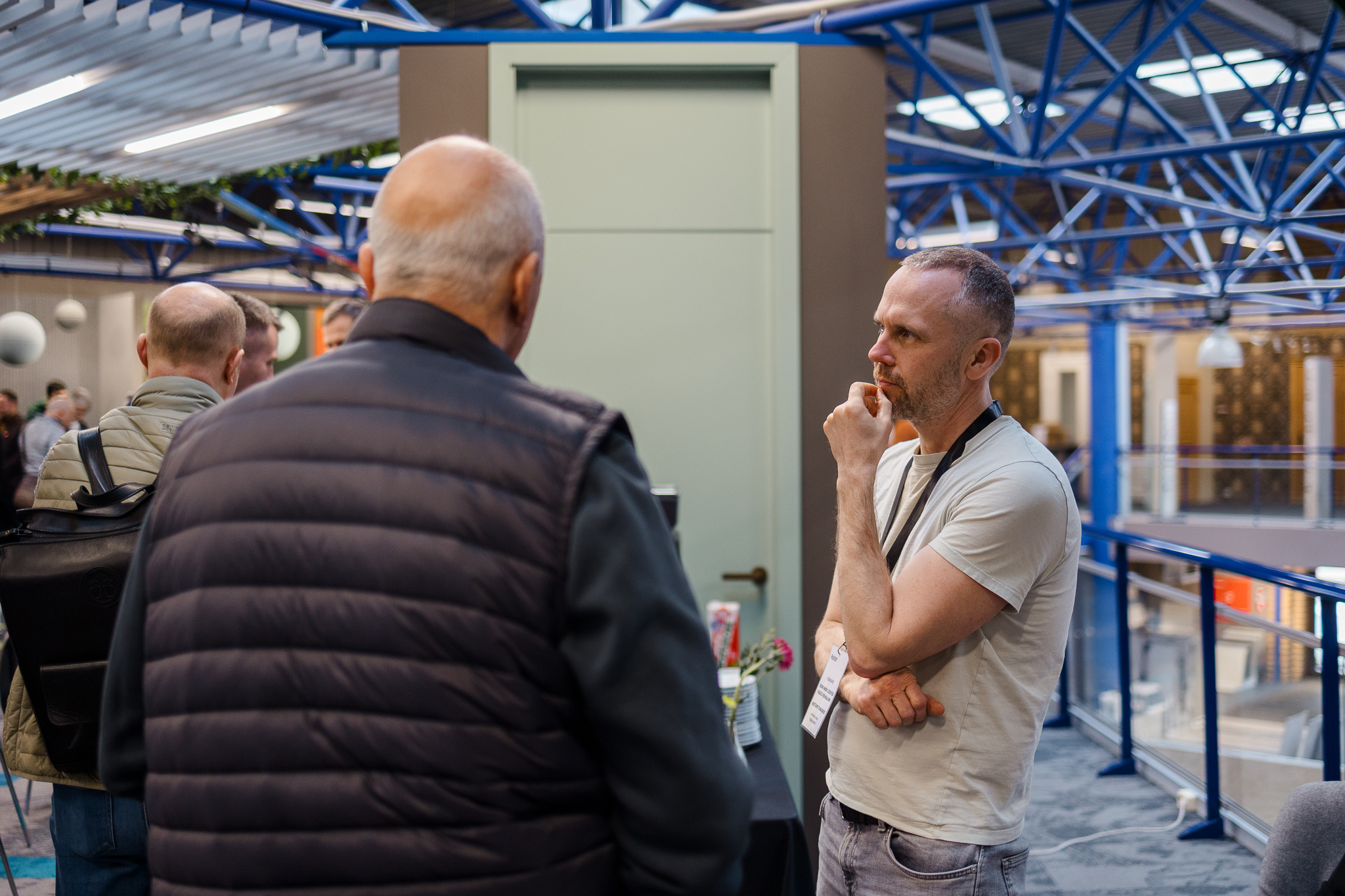
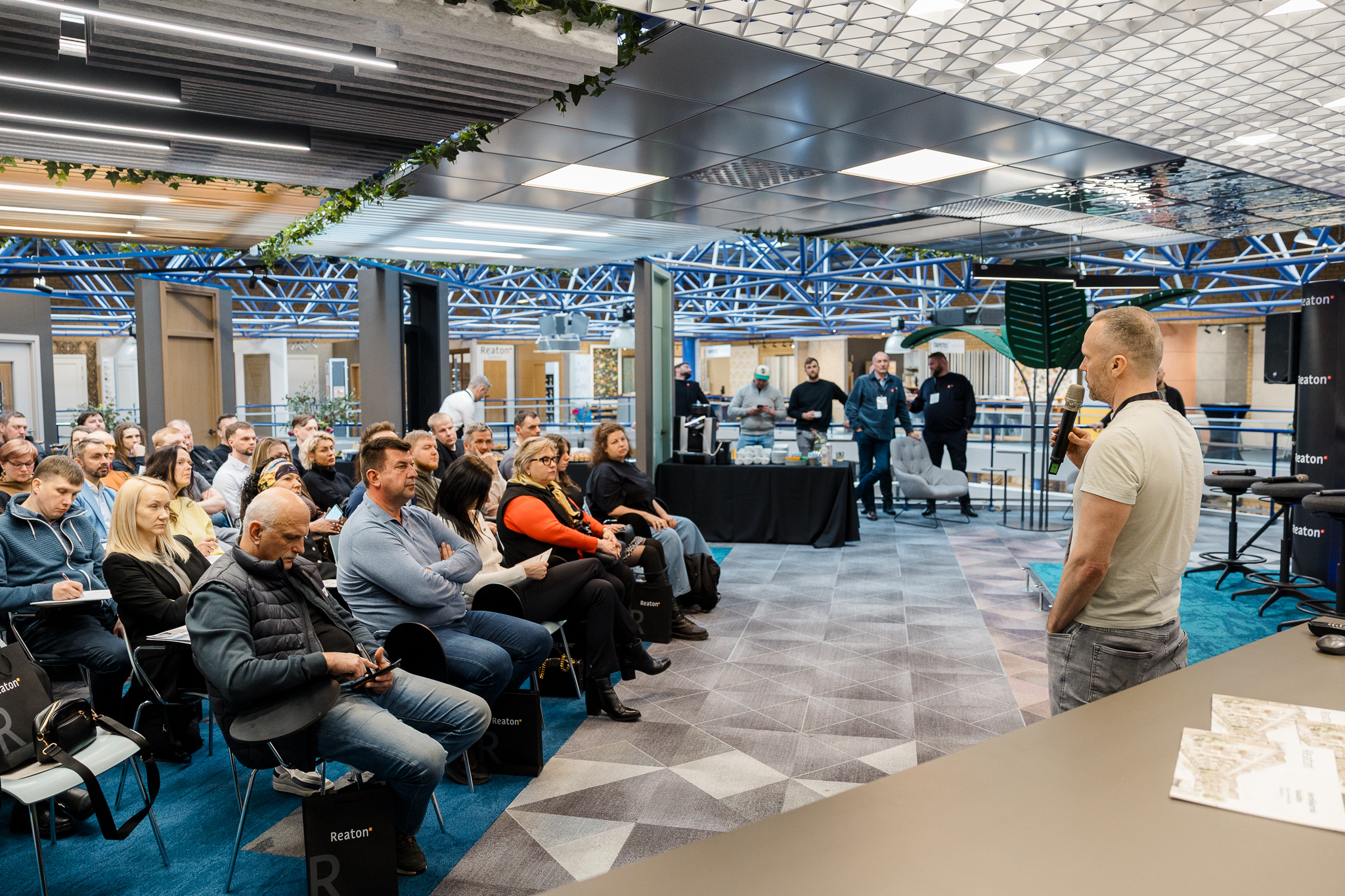
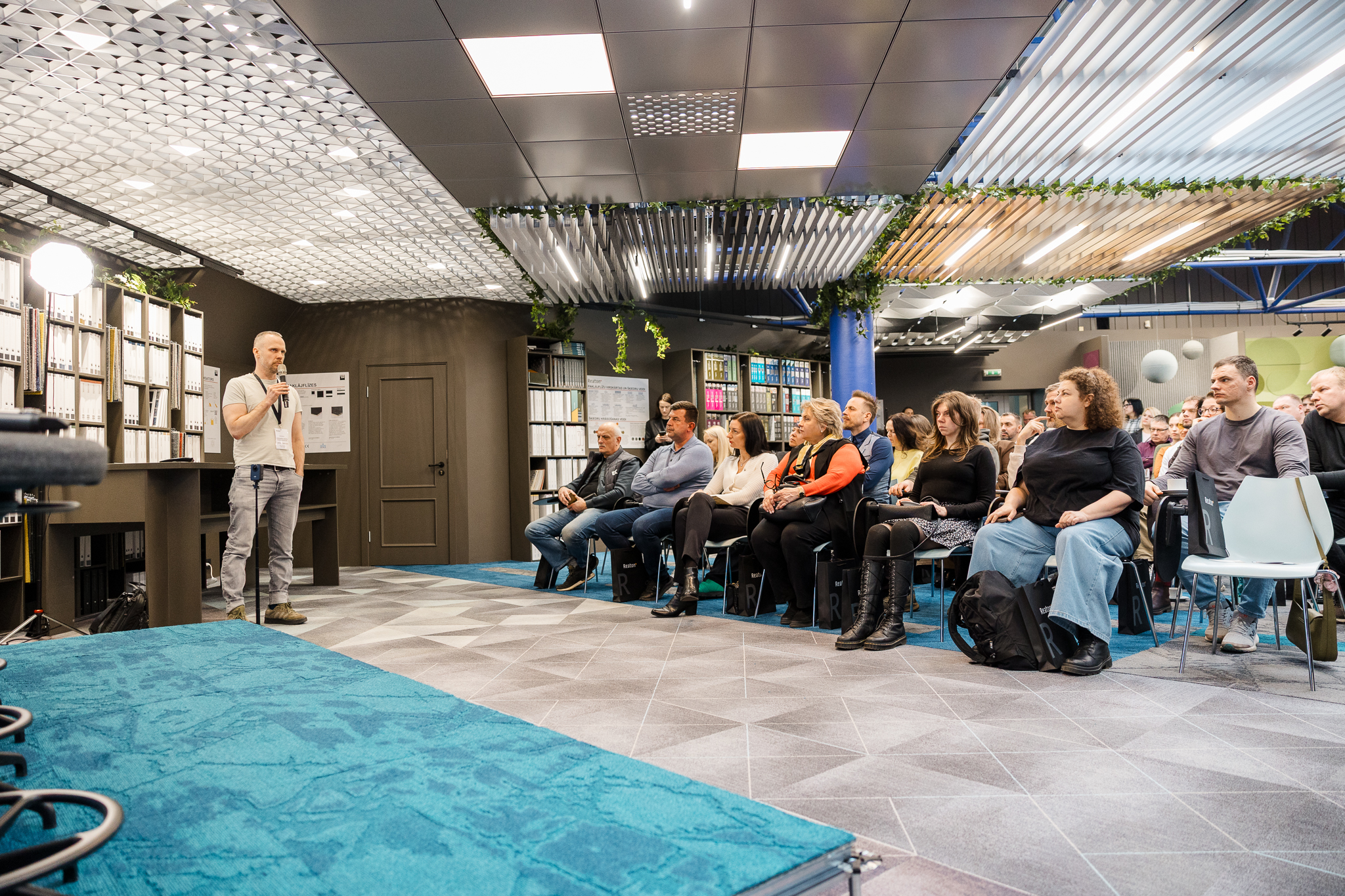
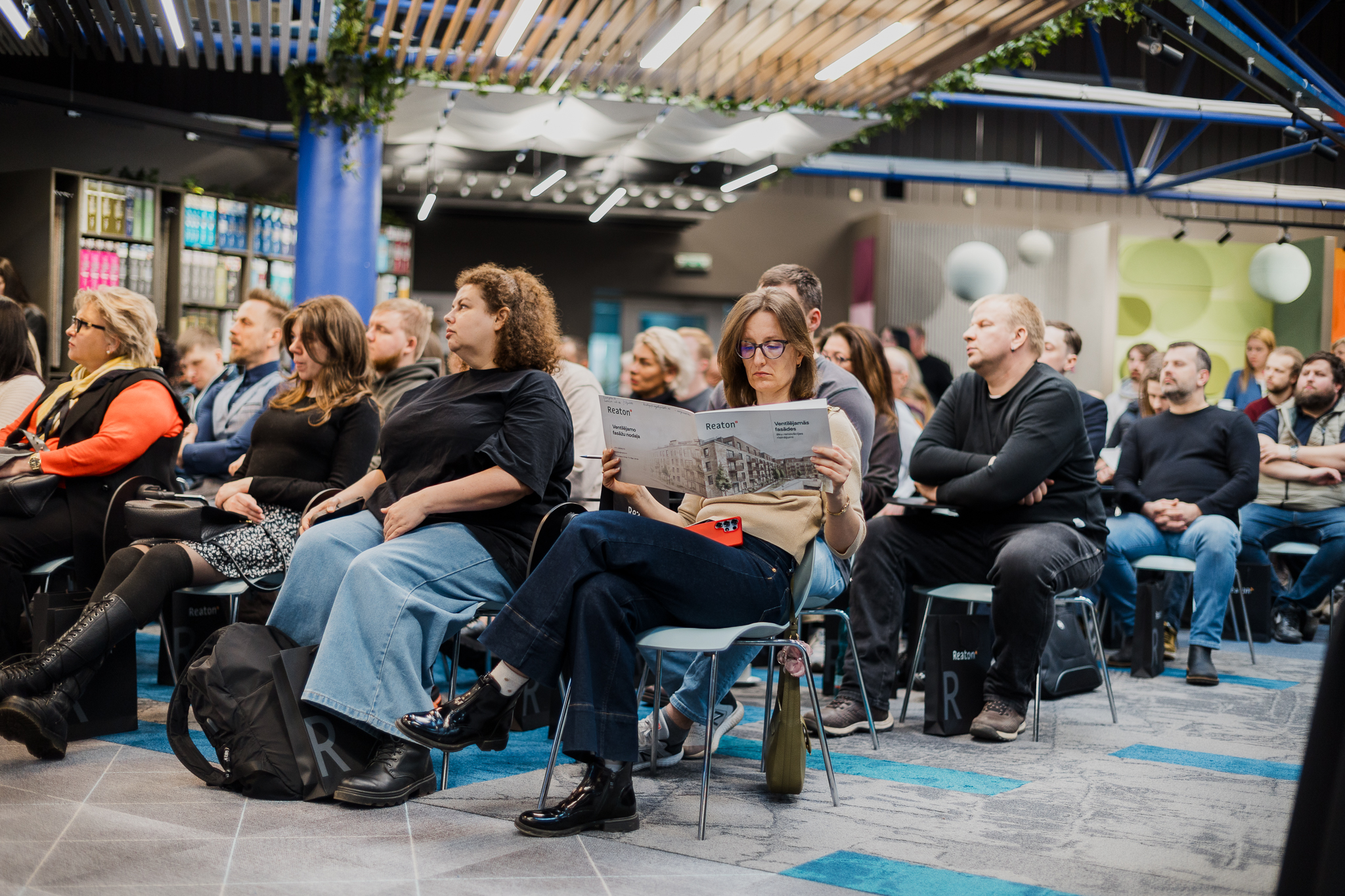
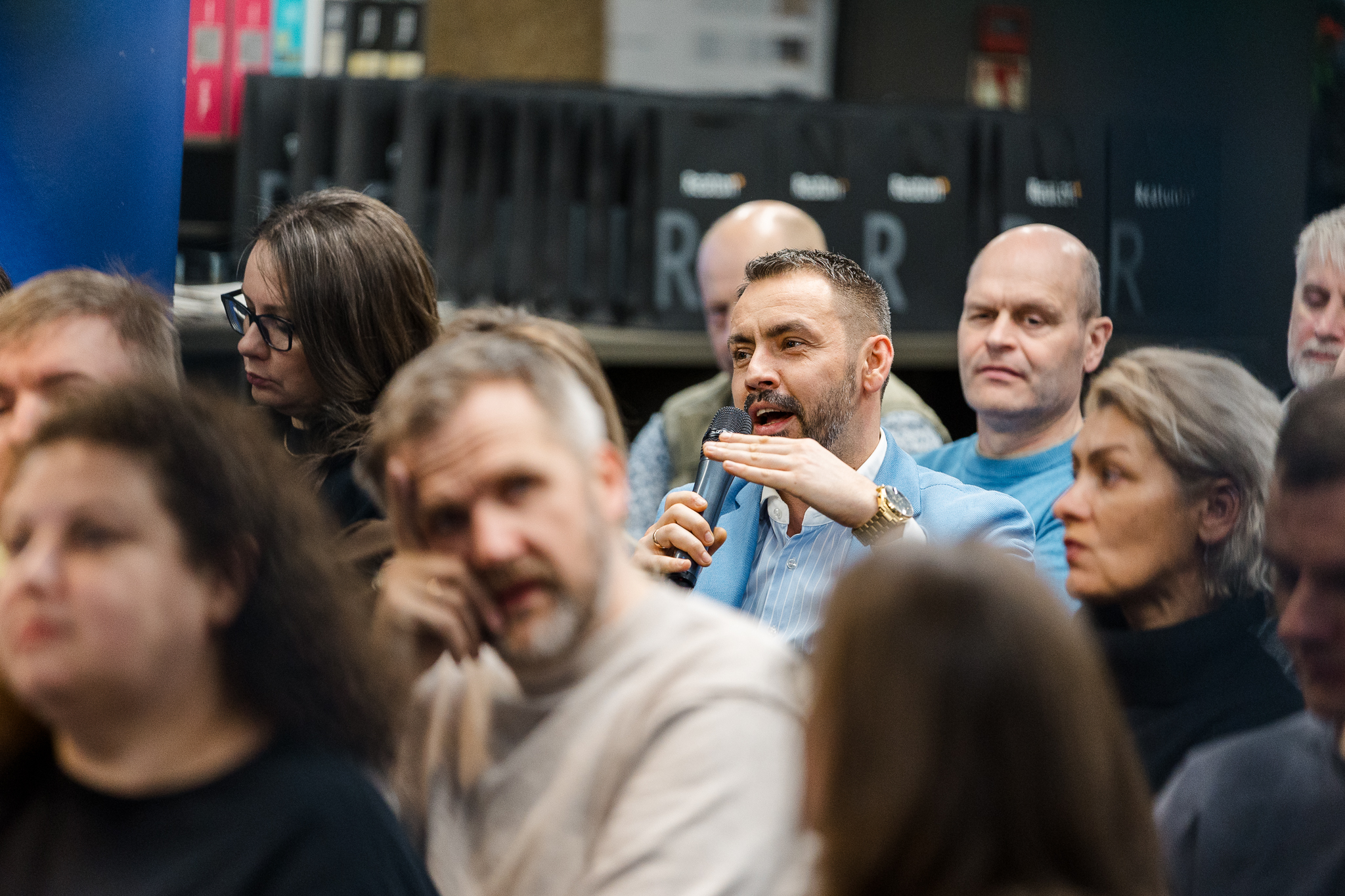
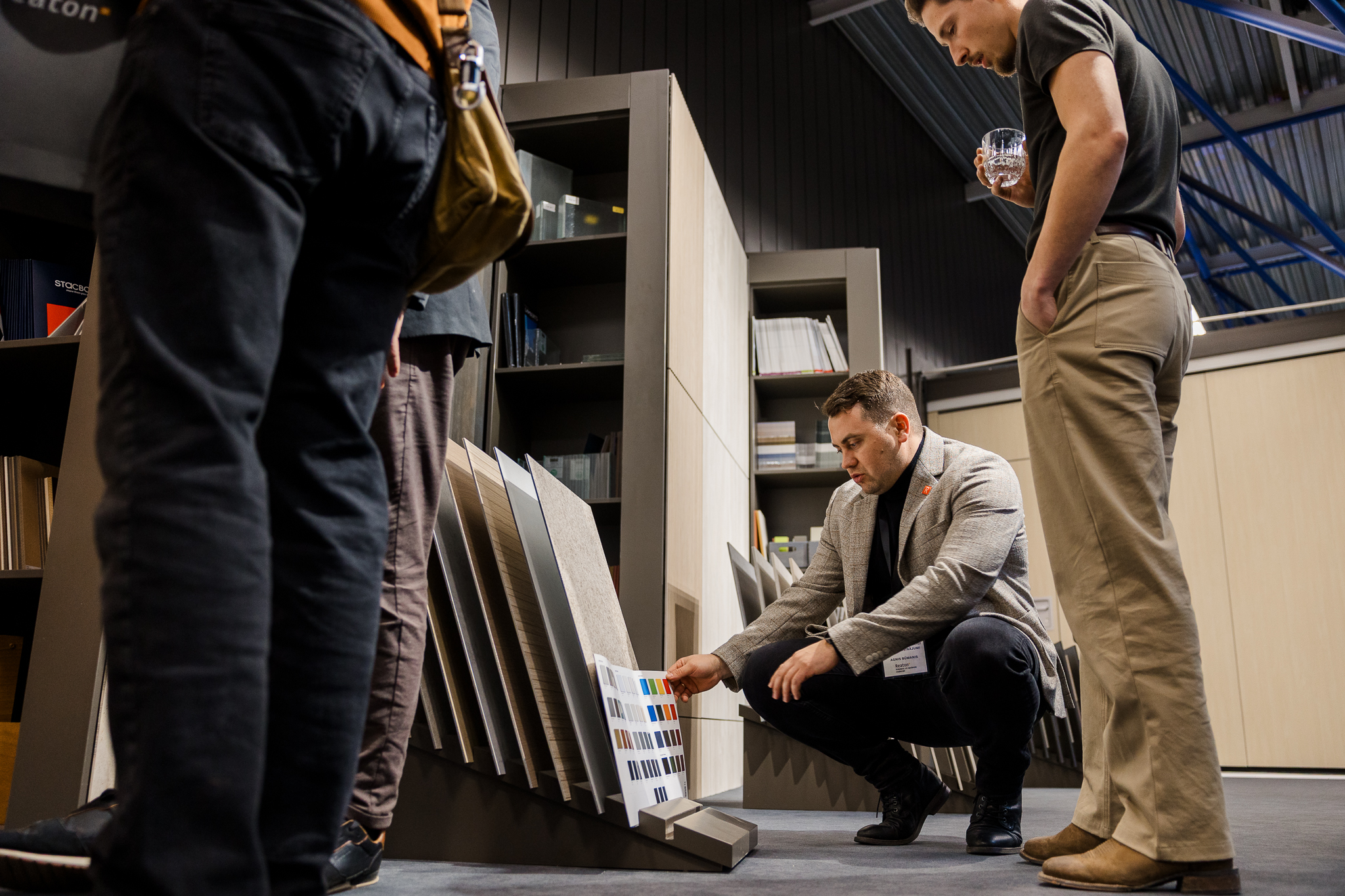
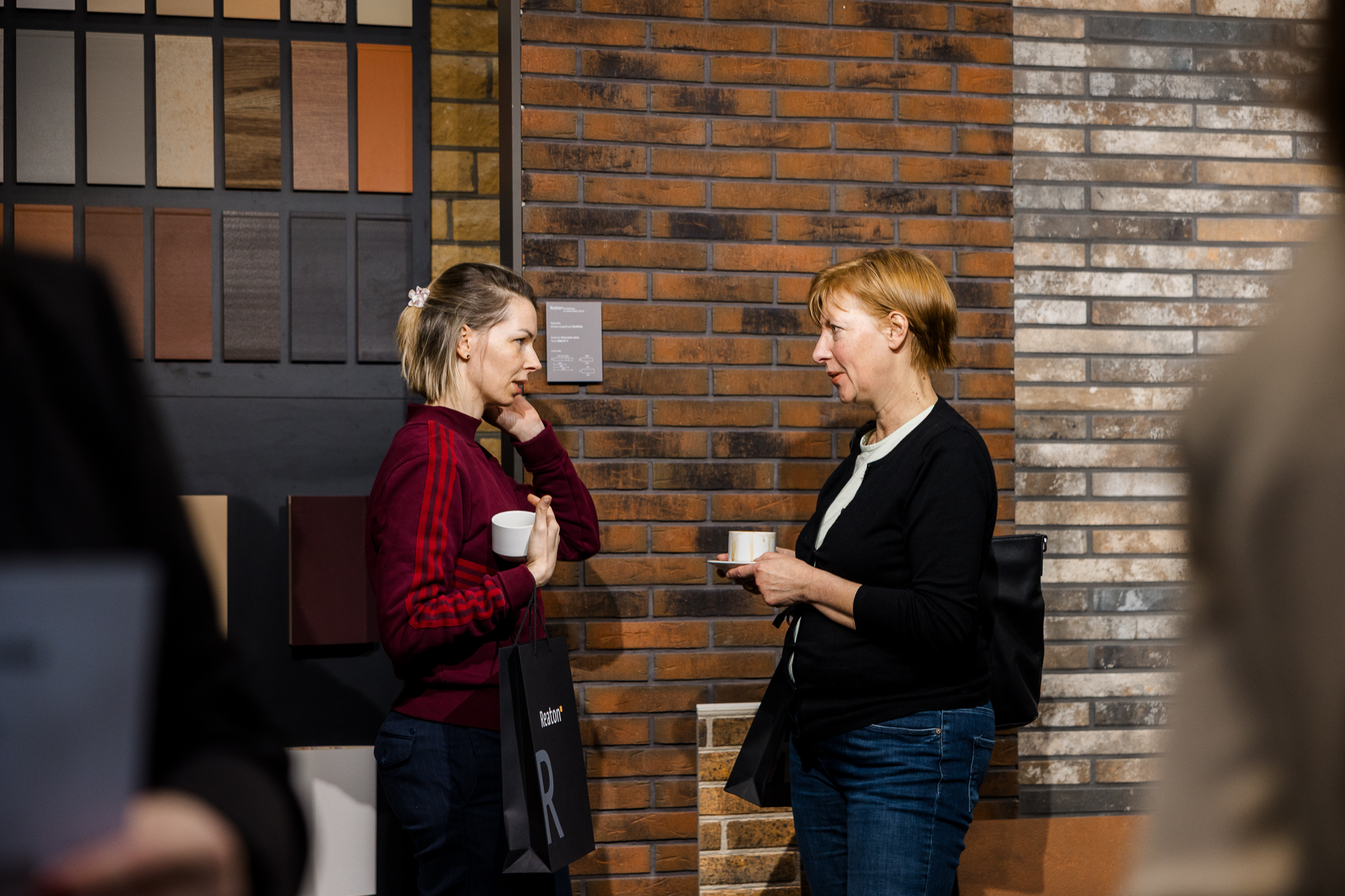
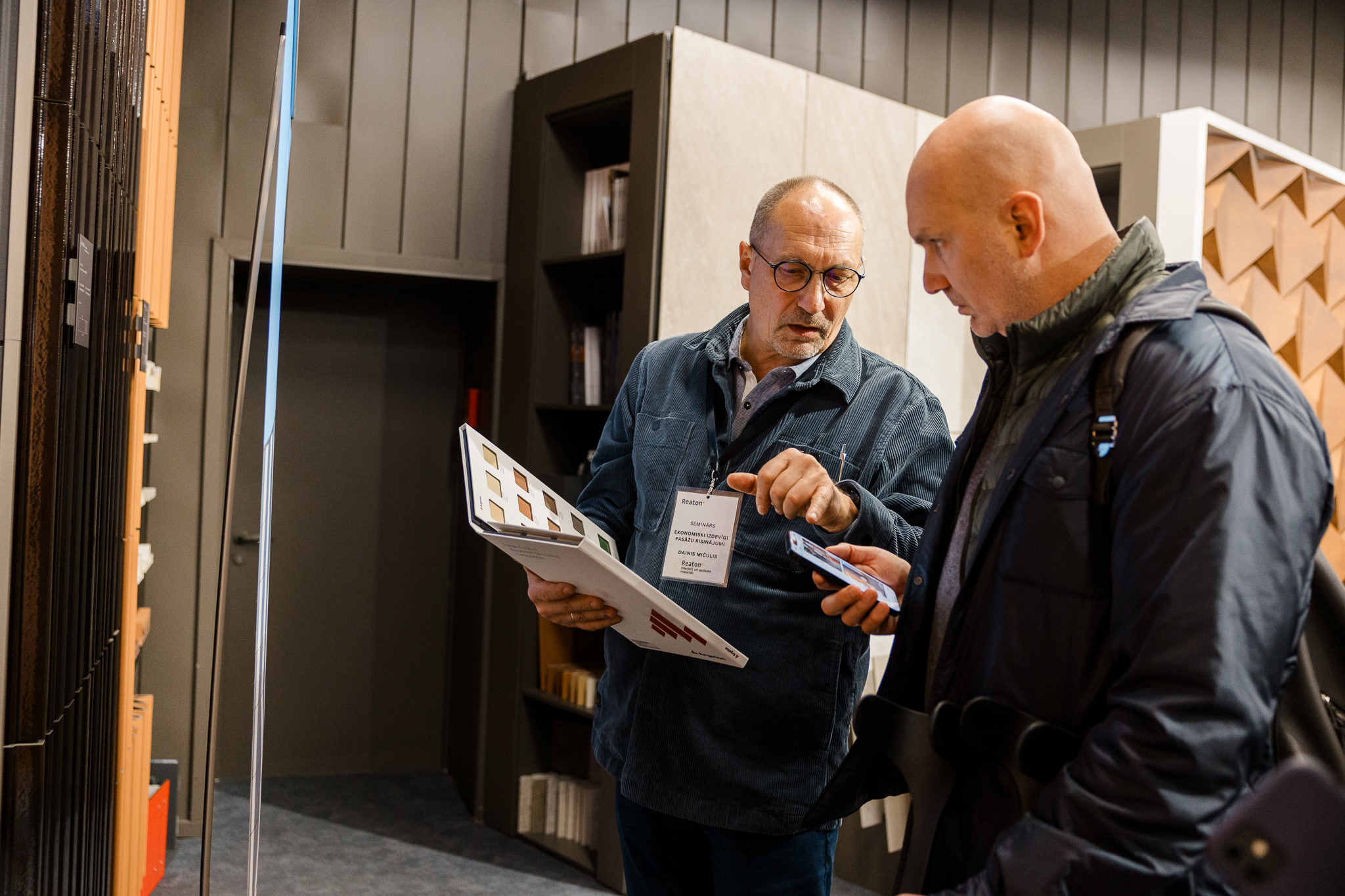
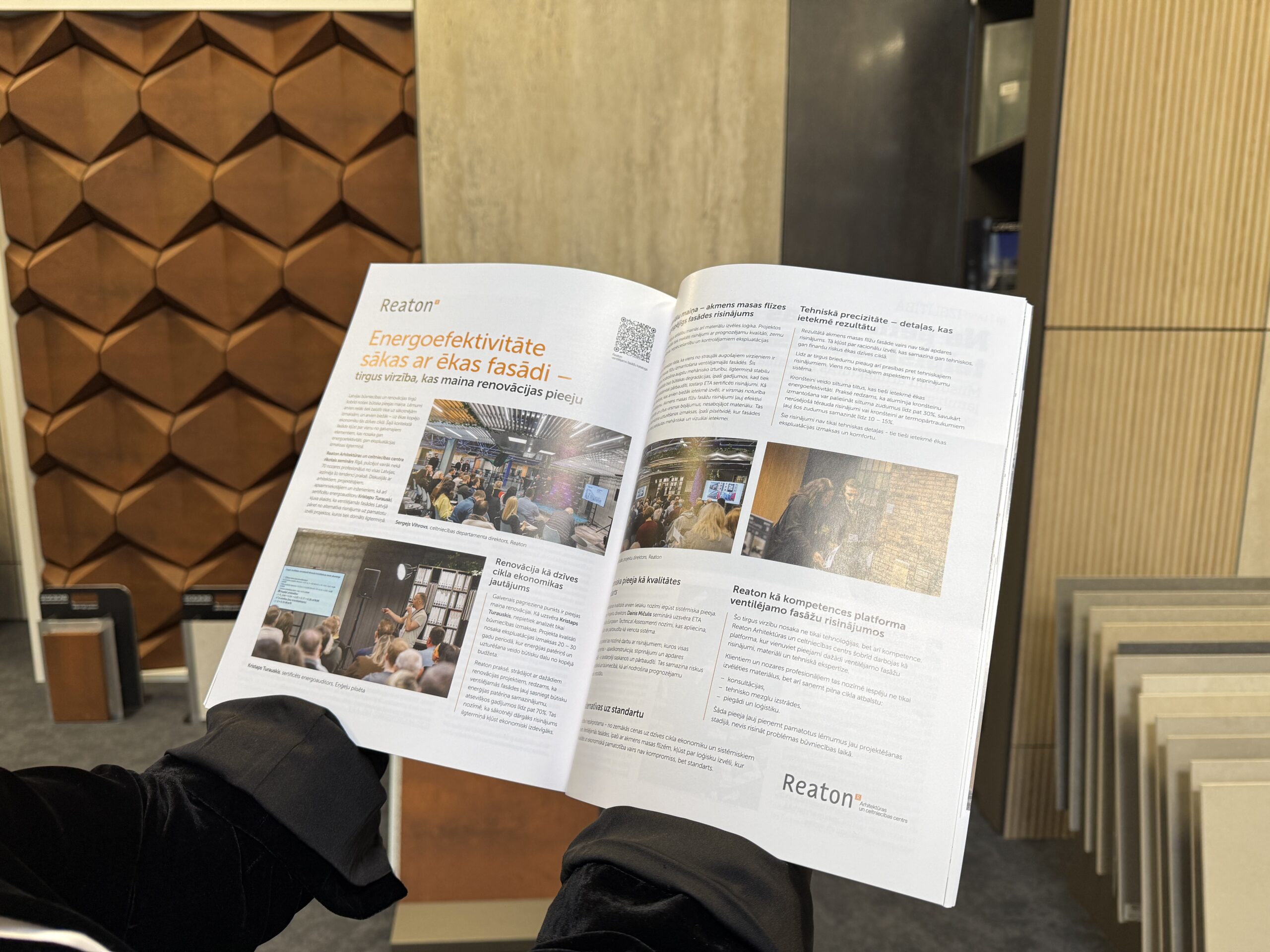
A seminar organised by the Reaton Architecture and Construction Centre in Riga, bringing together more than 70 industry professionals from across Latvia, clearly demonstrated this trend in practice. Discussions involving architects, designers, property managers, engineers, and certified energy auditor Kristaps Turauskis highlighted that ventilated façades in Latvia are evolving from an alternative solution into a well-founded choice for projects focused on long-term value and sustainability.
Technical precision – details that influence the result
As a result, porcelain stoneware façades are no longer viewed merely as a finishing solution. They are becoming a rational investment that reduces both technical and financial risks throughout a building’s lifecycle.
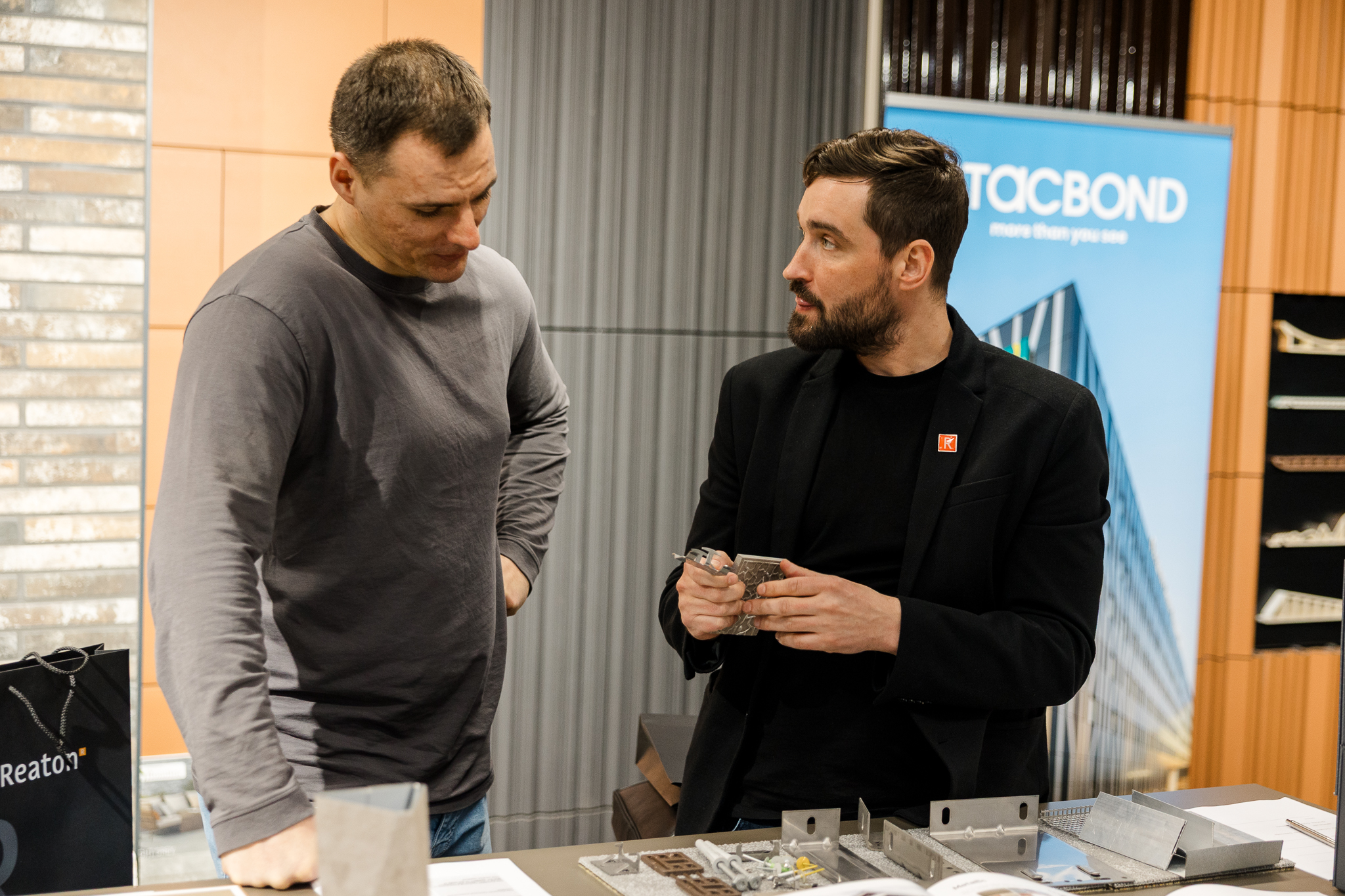
As the market matures, expectations regarding technical solutions are also increasing. One of the most critical aspects is the fixing system.
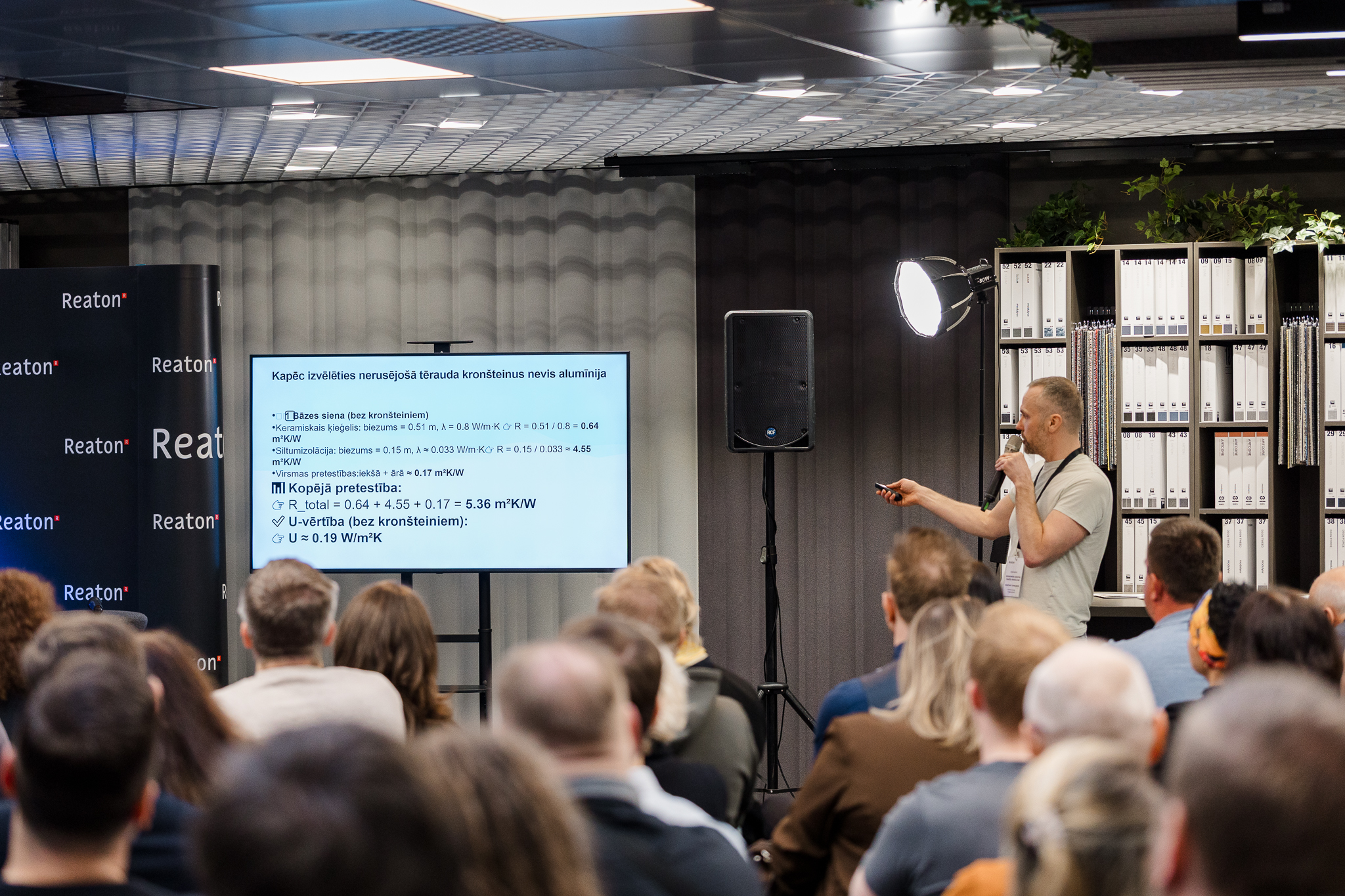
Brackets create thermal bridges that directly affect a building’s energy performance. In practice, the use of aluminium brackets can increase heat loss by up to 30%, whereas stainless steel solutions or brackets with thermal breaks can reduce these losses to approximately 10–15%.
These solutions are not simply technical details — they have a direct impact on operational costs and indoor comfort.
A systematic approach as a quality standard
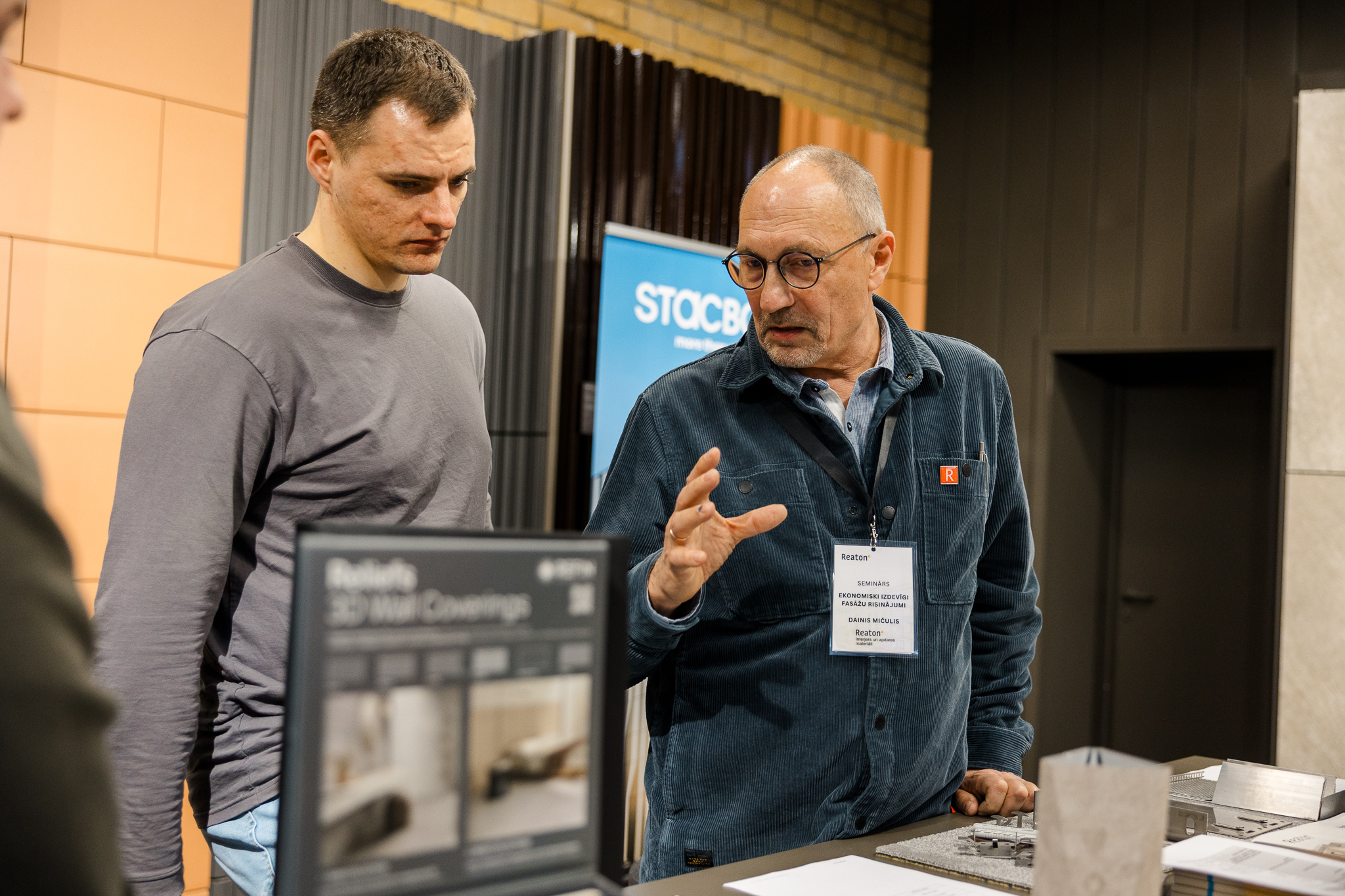
A systematic approach is becoming increasingly important in ensuring high-quality design solutions. During the seminar, Reaton Projects Director Dainis Mičulis emphasised the importance of ETA certification (European Technical Assessment), which confirms that the façade has been tested as an integrated system.
In Reaton’s practice, this means working with solutions where all components — substructure, fixings, and finishing materials — are mutually compatible and fully tested. This reduces risks during both the design and construction stages while ensuring predictable technical performance.
Reaton as a competence platform for ventilated façade solutions
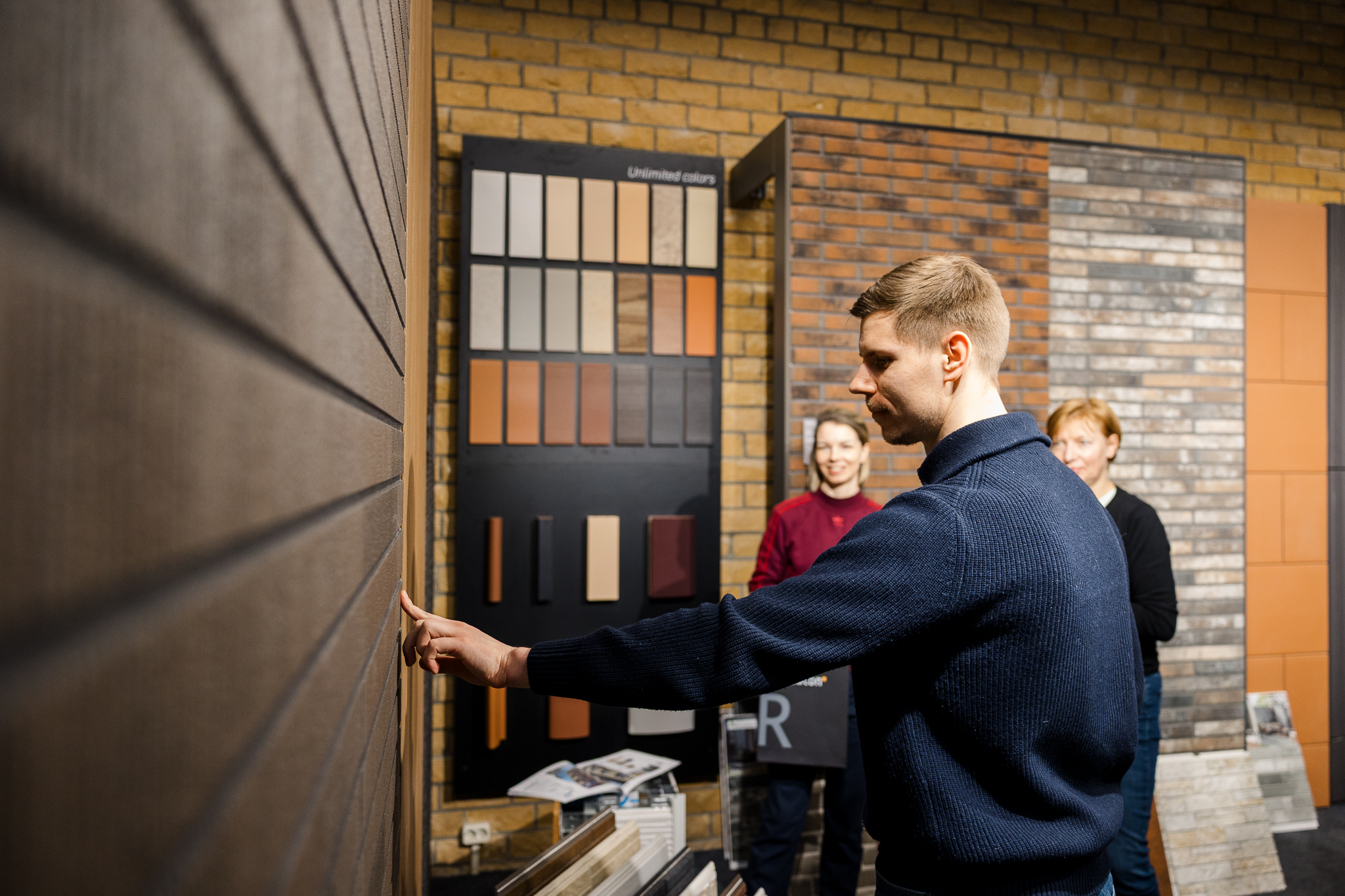
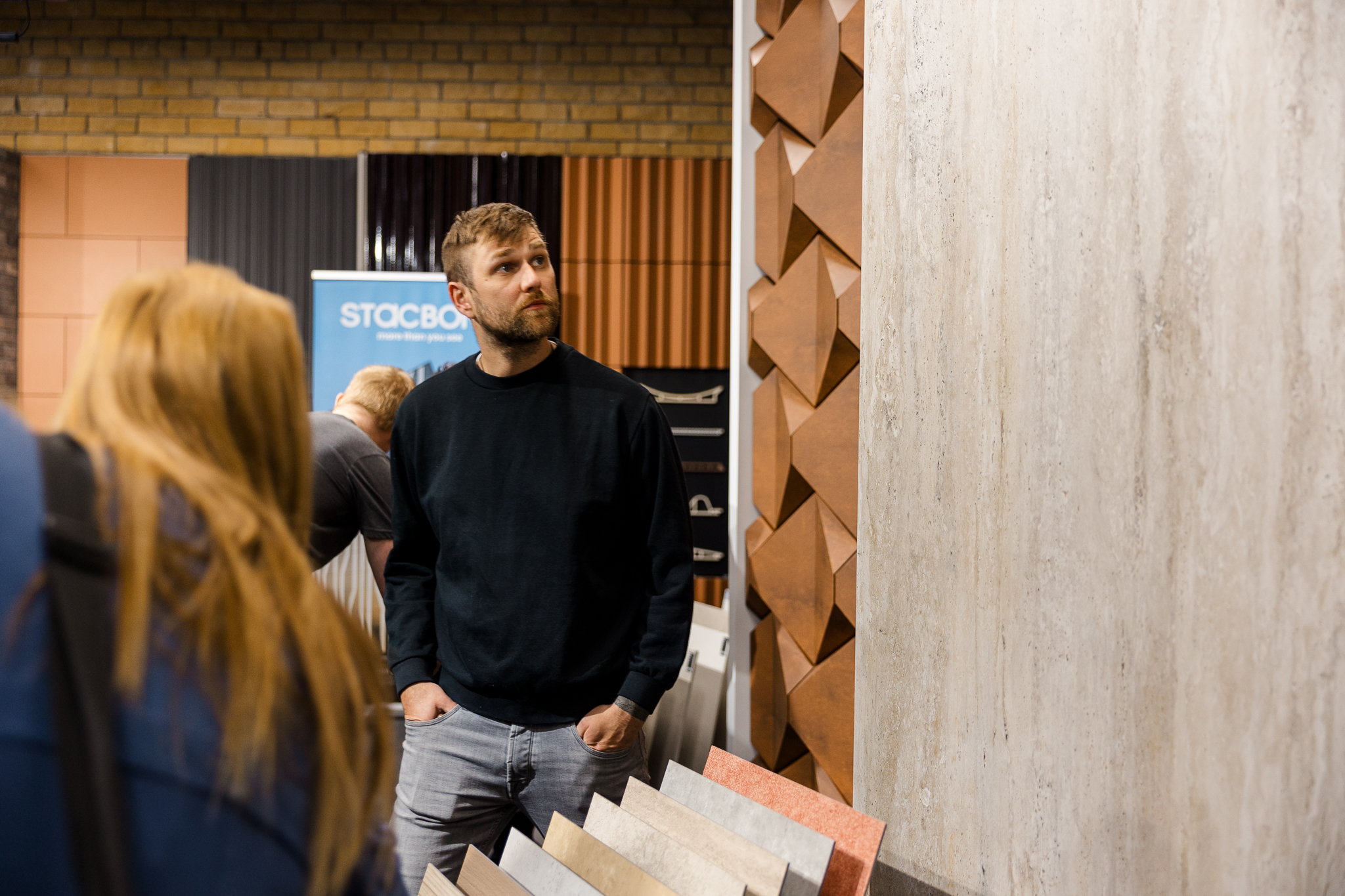
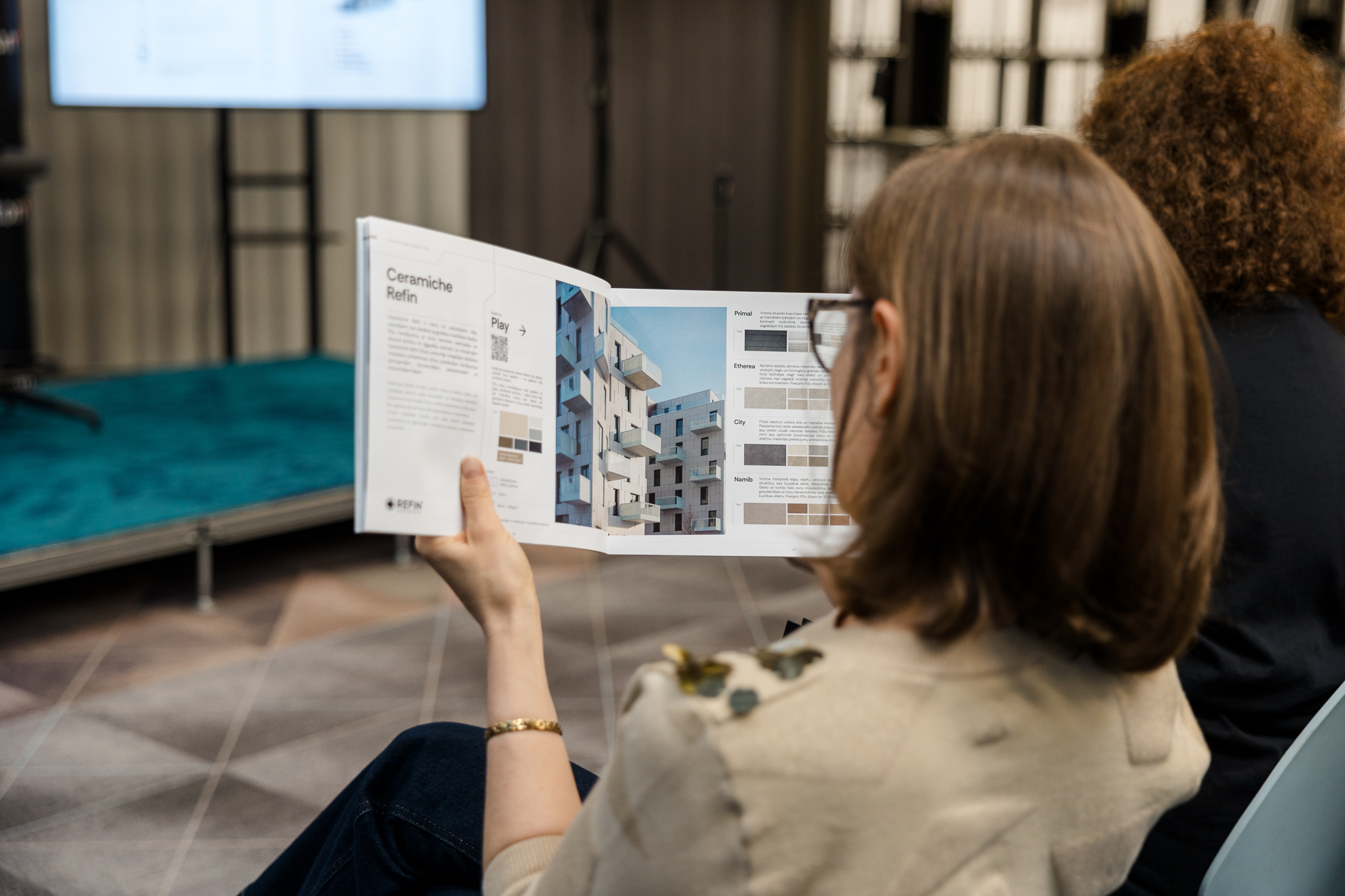
This market trend is driven not only by technology, but also by expertise. The Reaton Architecture and Construction Centre currently operates as a platform where a wide range of ventilated façade solutions, materials, and technical expertise are available in one place.
For clients and industry professionals, this means access not only to materials, but also to full-cycle support, including:
- consultations,
- development of technical detailing,
- supply and logistics services.
This approach enables informed decision-making already at the design stage, rather than solving issues during construction.
From an alternative to a standard
The market direction is unmistakable — moving away from lowest-price thinking towards lifecycle economics and system-based solutions. Ventilated façades, particularly those using porcelain stoneware tiles, are becoming the logical choice where technical quality and economic efficiency are no longer a compromise, but the industry standard.